
A Step-by-Step Guide for Sloped, Shoreline & Small-Footprint Properties
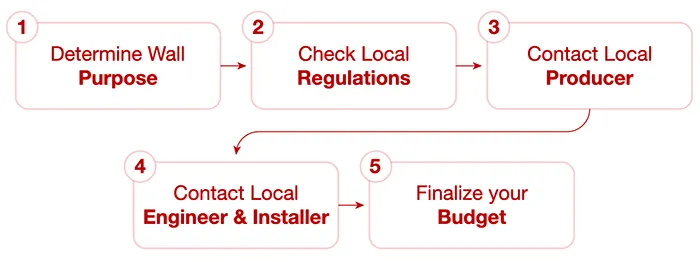
STEP 1 — Identify the Problem to Solve
Many homes across BC are built on challenging terrain with limited buildable space. Our province is abundant with oceanfront, lakes, rivers, ravines and mountainous terrain, all attractive for living, but comes with its own set of challenges.
A well-built retaining wall can mitigate these issues making small or challenging lots useable. On small waterfront lots, even reclaiming a few feet of flat space can dramatically improve how your outdoor area functions and provide long term security for:
- Shoreline erosion prevention
- Create usable yard space
- Support patios, driveways or stairs
- Improve safe access to docks or trails
- Stabilize slopes during heavy rainfall
- Manage runoff during seasonal storms
Water is the #1 cause of retaining wall failure in BC. Many block types are not designed for the wet or freeze cycles and over time can deteriorate and become a hazard. Drainage planning ensures your wall performs long-term through heavy winter rain cycles.
STEP 2 — Understand BC Shoreline & Slope Regulations
Planning early to meet compliance and regulations avoids delays once construction begins — especially during BC’s short dry-season build window. Building in BC often requires:
- Riparian setback compliance
- Municipal or regional permits
- Drainage & erosion control planning
- Structural review for walls over certain heights
- Many Lower Mainland and Island municipalities require:
- Geotechnical review
- Engineered drawings
- Environmental consideration near waterways
STEP 3 — Choose the Right Wall for Wet Coastal Conditions
In BC’s high rainfall + freeze/thaw climate, retaining walls must handle:
- Saturated soils
- Runoff from uphill properties
- Hydrostatic pressure
- Limited excavation space
Large precast modular wall systems like Redi-Rock are often ideal for residential properties that have a tight footprint are located close to waterways. Redi Rock is manufactured with a natural aesthetic to blend with the landscape. They provide structural performance without sacrificing visual appeal.
STEP 4 — Engineer for Slope + Drainage
Water is the #1 cause of retaining wall failure in BC. Many block types are not designed for the wet or freeze cycles and over time can deteriorate and become a hazard. Drainage planning ensures your wall performs long-term through heavy winter rain cycles.
A properly engineered design considers:
- Soil type
- Groundwater movement
- Drainage behind the wall
- Surface runoff from rain events or potential flooding
- Load from driveways or structures above
STEP 5 — Build Usable Outdoor Space
A thoughtfully designed retaining wall can create level outdoor living space, expand patios or lawns and provide safe stair access to waterfront. In addition to improving drainage an engineered retaining wall can increase the resale value on sloped lots.
For many BC properties, retaining walls aren’t just landscaping — they’re critical infrastructure for protecting your investment. Contact our team or call 250-218-1104 to start your project plan.
Related Projects
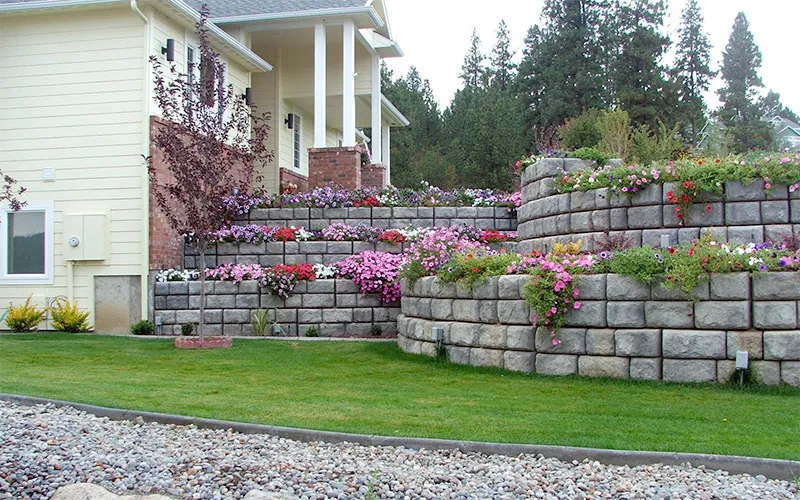
A Step-by-Step Guide for Sloped, Shoreline & Small-Footprint Properties STEP 1 — Identify the Problem to Solve Many homes across....
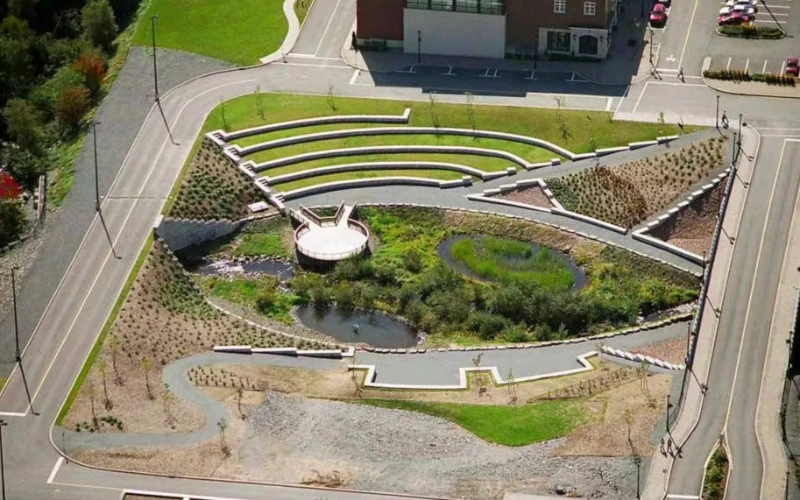
Bridge-Crossing Problem As part of a $300M redevelopment in Dartmouth, Nova Scotia, engineers were tasked with constructing multiple bridge crossings....
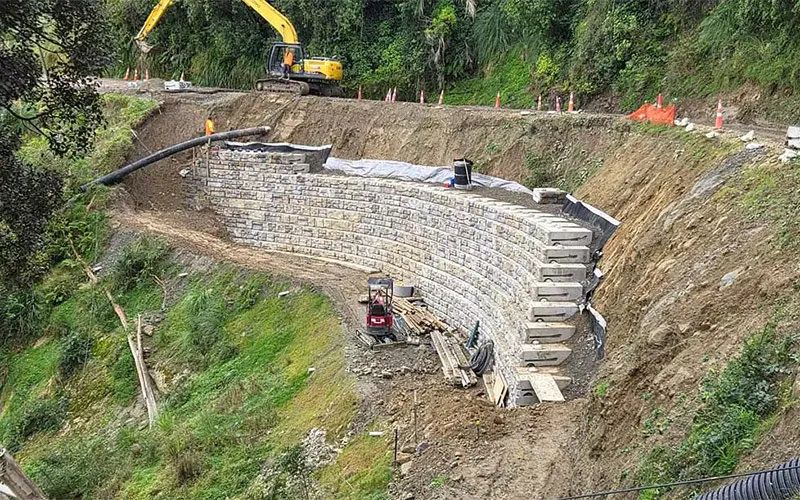
Lessons From New Zealand That Apply Directly to British Columbia Across much of British Columbia, particularly along coastal corridors and....
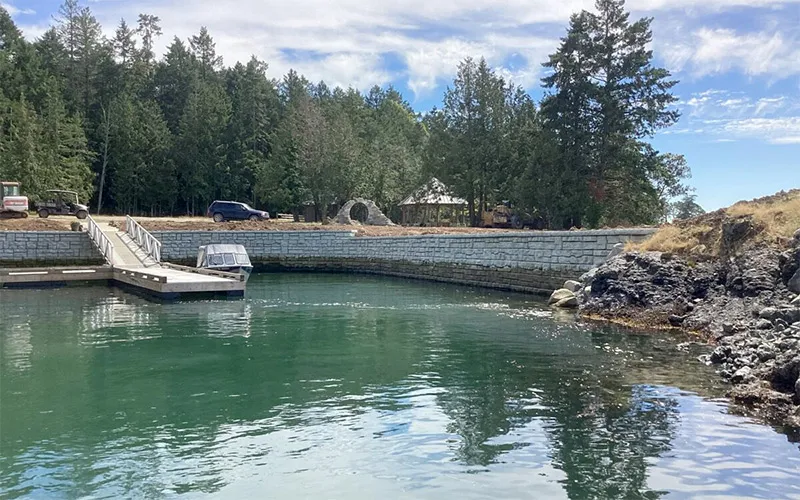
Project Overview Before: decades of erosion and structural failure A private marina on a Gulf Islands, British Columbia....